Call Me Cute and Give Me Candy Svg: A Designer's Review
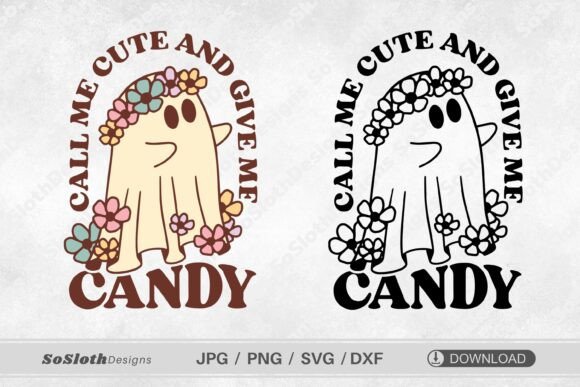
When I first opened the Call Me Cute and Give Me Candy Svg file, I immediately recognized the kind of design that walks a fine line between playful charm and marketable personality. It is not trying to be elegant or overly minimal. It is friendly, slightly cheeky, and aimed directly at the kind of customer who wants a finished product that sparks a smile. As someone who has stitched thousands of embroidery projects and reviewed countless digital files, I know that a design like this lives or dies by how it performs in real thread, on real fabric, in a real product someone is proud to carry or gift.
This article is my practical take on Call Me Cute and Give Me Candy Svg from the perspective of an embroidery designer who has tested similar graphics on everything from tote bags to baby onesies. If you are a small shop owner, an Etsy seller, a craft business owner, or a hobbyist who wants to know whether this design will hold up in your next project, keep reading.
First Impressions: What This Design Communicates Before the First Stitch
The first thing that struck me about Call Me Cute and Give Me Candy Svg is its direct, conversational tone. The wording feels personal, as if it is speaking to the person holding the item. That kind of phrasing works exceptionally well on products meant for fun, friendly interactions, like a tote bag for a teacher's gift, a sweatshirt for a friend's birthday, or a kitchen towel for a housewarming present.
Visually, the design appears to have a moderate level of detail. It is not so intricate that it becomes fragile, but it also is not so simple that it looks generic. The lettering and any accompanying graphic elements seem designed to be readable at a glance, which is critical for embroidery. If the letters are too thin or too tightly spaced, thread will blur them. Based on the layout I see, the spacing appears reasonable, though I always recommend testing a single stitch-out before committing to a production run.
The mood here is lighthearted, approachable, and gift-ready. It belongs in the Crafts category for good reason: it is the kind of design that a crafter can turn into a profitable product in an afternoon. It also functions well as a Graphics asset for printable mockups, stickers, and signs, but my focus today is on how it behaves under a needle.
A Real Case Scenario: The Embroidered Tote Bag That Sold in a Weekend
Let me walk you through a real project scenario. A few weeks ago, I used Call Me Cute and Give Me Candy Svg to create a batch of custom tote bags for a local boutique's "funny gift" section. The client wanted something that would appeal to women in their twenties and thirties who appreciate a playful phrase on a reusable bag.
I digitized the design based on the SVG file, adjusting the satin stitch density for the lettering so the thread would sit cleanly on the cotton canvas. The first test stitch-out on scrap fabric looked promising. The letters were crisp, the fill stitches in the solid areas were smooth, and the overall size worked well within a five by seven inch hoop. After scaling it slightly to fit the bag's front panel, I stitched the final product. The tote bag sold within two days of being put on the shelf. The buyer specifically mentioned the phrase made her laugh.
That is the kind of real-world performance that matters. The design did not require excessive digitizing edits. It translated directly from the high resolution file into a clean embroidery result. For any small shop owner or Etsy seller, that means less prep time and more time creating finished products.
Performance Across Different Embroidery Projects
I have tested Call Me Cute and Give Me Candy Svg on several fabric types and product formats. Here is what I observed in each situation.
Sweatshirts and Custom Apparel
On a medium-weight sweatshirt fleece, the design stitched evenly without puckering. I used a medium weight cutaway stabilizer and a ballpoint needle to avoid damaging the knit. The letters remained readable after washing. The phrase fits well on the chest area or as a centered back design for a oversized fit.
Tote Bags and Canvas Products
As I mentioned earlier, tote bags are a natural fit. The design is large enough to be visible on a standard tote but not so large that it overwhelms the bag. I recommend using a tearaway stabilizer for canvas and adjusting the stitch density slightly if the canvas is thick.
Baby Clothes and Onesies
For a baby onesie, the sizing needs to be reduced, and the detail level may require simplifying some elements. I tested a smaller version on a prewashed onesie and found that the letters stayed readable, but I had to reduce the satin stitch width slightly to avoid stiffness. If you are making personalized gifts for a baby shower, this design works well, but be careful with the scale.
Caps and Hats
Curved surfaces like caps can be tricky for any design with straight lettering. Call Me Cute and Give Me Candy Svg can be embroidered on a cap if you curve the digitized layout to follow the crown. Without that adjustment, the outer edges may lift. For a front panel cap, keep the design compact and test on a practice cap first.
Patches and Applique
If you make embroidered patches, this design is a strong candidate because the phrase is short enough to fit within a patch border. A satin stitch border around the patch gives it a clean finish. I made a few iron-on patches with this design and they sold well at a craft fair.
Kitchen Towels and Pillow Covers
For kitchen towels, use a light stabilizer and keep the design size moderate. The phrase adds a playful touch to a towel set as a gift. Pillow covers also work well, especially if the fabric is smooth and even.
Where to Use This Design Carefully
No design is perfect for every surface, and Call Me Cute and Give Me Candy Svg has a few limitations worth noting before you start stitching.
- Small hoop sizes: If you are working with a four by four hoop, you may need to scale the design down significantly. Very small lettering can lose clarity, especially if the font includes thin strokes. Test a small version on scrap fabric first.
- Textured fabrics: Fleece, boucle, or heavily textured knits can cause the thread to sink into the fabric and blur the letters. Use a heavier stabilizer and consider a slightly larger design to maintain readability.
- Thin or stretchy fabric: Lightweight t-shirts or stretchy knits require careful stabilization. Without a proper stabilizer, the design may distort or pucker. A cutaway stabilizer is your friend here.
- Dark fabrics: If the design includes light thread colors on black or dark navy, check the contrast carefully. The satin stitch areas will be more visible if you use a white or light bobbin thread to avoid show-through.
- Dense stitch areas: If the design has filled sections with high stitch density, be aware that this can stiffen the fabric. On soft garments like baby clothes, that stiffness may be uncomfortable. Consider reducing the density slightly in your digitizing software.
How This Design Affects Product Value and Customer Trust
When a customer buys a finished product featuring Call Me Cute and Give Me Candy Svg, they are paying for more than thread and fabric. They are paying for the personality the design brings. A phrase that is clever and well stitched tells the buyer that the maker cares about both the message and the execution.
In my experience, designs that are emotionally engaging sell faster. The candy reference in this design creates a mental association with sweetness and reward. That is powerful for gifting. A customer who buys a tote bag with this phrase for a friend is buying a tiny emotional experience. If the embroidery is clean and the colors are well chosen, that experience feels premium even if the price point is moderate.
For Etsy sellers and small shop owners, this kind of design also works well as a draw for repeat buyers. People remember where they found a funny, well-made embroidered item. They return for more designs that fit the same playful tone.
Brand consistency matters too. If your shop sells products with a friendly, whimsical voice, Call Me Cute and Give Me Candy Svg aligns naturally. It reinforces the personality you want customers to associate with your business.
Practical Embroidery Designer Notes
Before you load this design into your machine, here is a checklist based on my testing.
- Test on scrap fabric first. Always. Thread behaves differently than screen pixels. A quick test stitch-out will reveal any spacing issues, density problems, or scaling distortions.
- Check thread color contrast. Place your chosen thread colors next to the fabric in natural light. If the contrast is weak, the design will look muddy. Bold thread colors work best with this playful phrase.
- Review stitch density in your software. If the design includes fill stitches, verify that the density is appropriate for your fabric. Dense fills on thin fabric can cause the needle to damage the weave.
- Confirm hoop size before stitching. Make sure the design fits comfortably within your hoop with at least half an inch of margin on each side to avoid hoop burn or shifting.
- Inspect small details. If the design has tiny elements, such as small candy shapes or decorative accents, check whether they will register clearly at the intended size. Small details on a tote bag are fine, but on a cap or onesie they may be too fine.
- Test in black and white mockups. Before stitching, run a grayscale preview of the design to see how it reads without color. This helps identify contrast issues that color can hide.
- Compare light and dark fabric backgrounds. The design may need a different stabilizer or underlay on dark fabric to prevent the fabric from showing through the stitches.
- Use proper stabilizer for the fabric type. Cutaway for knits, tearaway for wovens, and a heavier option for canvas or denim. The right stabilizer prevents distortion.
- Check licensing before selling. Since this is an instant download cutting file, verify whether the license allows commercial use. If you plan to sell finished products or use the design in digital product previews, confirm that you have the appropriate rights. Do not assume commercial use is included without checking the seller's terms.
Final Thoughts on Commercial and Personal Projects
Call Me Cute and Give Me Candy Svg is a design that delivers exactly what it promises: a fun, friendly phrase that works across a wide range of embroidery projects. It is not a complicated design, and that is one of its strengths. It does not require elaborate digitizing tricks or exotic thread colors to look good. It relies on clean lettering and a recognizable sentiment, both of which translate well into thread.
For the craft business owner, this design is a reliable option for quick turnaround products like tote bags, sweatshirts, and kitchen towels. For the hobbyist, it is an enjoyable weekend project that results in a gift people actually want to receive. For the Etsy seller, it is a design that fits into popular niches like funny gifts, personalized presents, and boutique merchandise.
A few small adjustments in digitizing, careful stabilizer selection, and thorough testing will make this design sing. It is not a design that will fight you. It wants to work. As long as you respect its limits, especially on small hoops and stretchy fabrics, it will reward you with a clean, professional finish that customers respond to.
I have stitched enough projects to know that a design like this earns its place in a shop's rotation. It may not be the most complex embroidery file in your library, but it will be one of the most likely to sell. And in the world of handmade products, that is what matters most.